blogo

subscribe to the Organic Broadcaster:
One year (six issues) $20. Two years (twelve issues) $38

return to archive list
MOSES Homepage


Snug Haven's Winter Home for Spinach
From the Organic Broadcaster, vol. 12 no.4
By Douglas J. Buege
©2004 Midwest Organic and Sustainable Education Service

The air is a balmy seventy degrees and the spinach thrives beneath the sun's rays. It's hard to believe that only a few feet away, sixteen inches of snow mass against the hoop house's plastic cover. Bill Warner insists that February spinach is the best of the year. His motto: "Let it freeze!" Warner credits the spinach's stunning sweetness and lack of bitterness with the regular freezings it receives each night. He also admits that the farm's soil contributes its bit, suggesting that other growers are unlikely to match Snug Haven Farm's flavor.

Snug Haven is famed for its spinach, sold to high-end restaurants in Chicago, Milwaukee, and Madison. With one-third of an acre under plastic, Judy Hageman and Bill Warner have built a commercially successful four-season farm in a region credited with a 150-day growing season. They rely on the sun, only adding heat after particularly cold nights. Even then, by running furnaces for an hour in the morning, they give their crop the boost it needs. The heaters lack chimneys, venting growth-promoting carbon dioxide, the by-product of combustion, to the houses.

Spinach, cold hardy and nutritious, loves these difficult conditions, braving intermittent frostbite like a leafy warrior. The plants respond to cold temperatures by minimizing their cells' water concentration and upping the levels of sugars. Throughout the Midwest, most fresh green crops are shipped in from California throughout the long winter. Hageman and Warner found that they could compete with West Coast producers because their spinach is fresher, not requiring long travels cross country. In the competitive restaurant trade, many chefs look for that added flavor that will garner them success.
The farming couple assumed ownership of the farm from Judy's father who was born in the house they live in. Just outside tiny Paoli, Wisconsin, 20 miles southwest of Madison, the picturesque barn and house nestle in a glacial bowl. Twisted oaks pepper the semicircle of hills to the north.

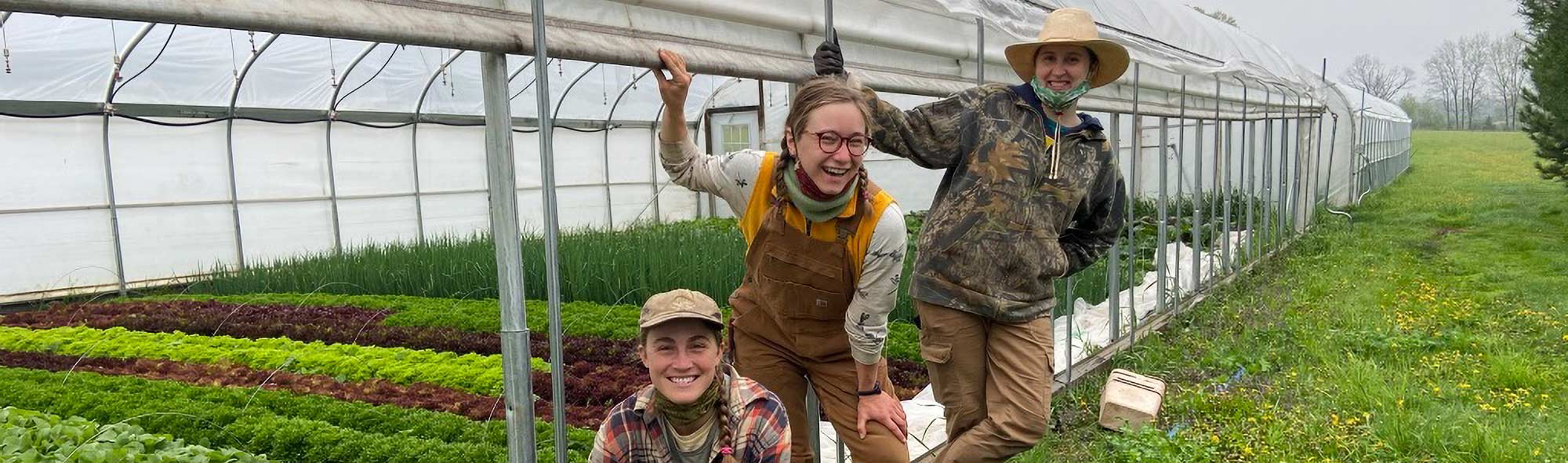
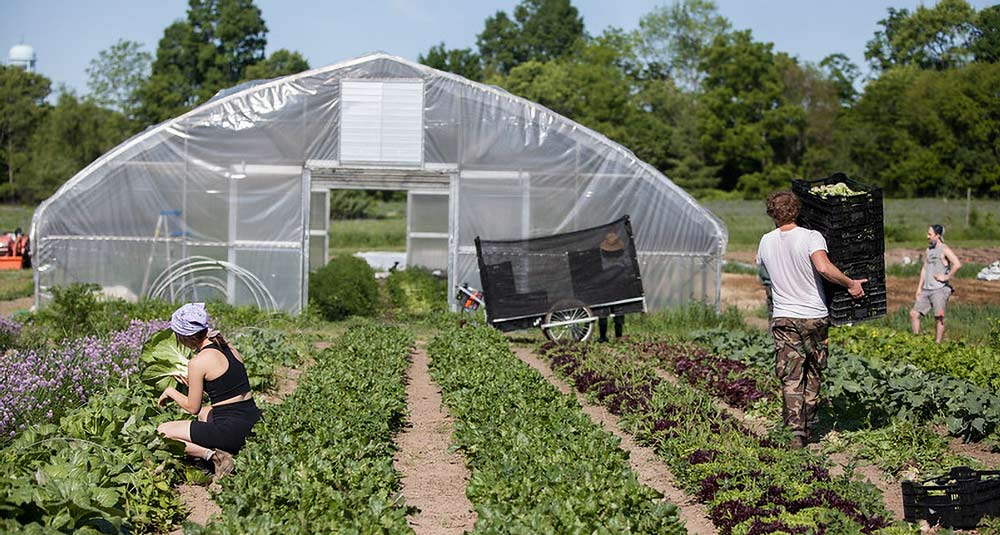
The hoop houses-30 feet wide and varying lengths-stretch perpendicular to the ecliptic, the sun's path through the sky. Unlike those employed by Maine's famous Elliot Coleman, the Snug Haven houses remain stationary. Exposed to the south, the houses receive the most sunshine possible. Bill first read about hoop structures in Organic Gardening in the 1980s and wanted to try his hand. An aluminum frame is covered with an ultraviolet-resistant plastic that costs roughly $300 per house and lasts five or six years. The ends, like Quonset huts, are flat surfaces. Each year, one or more of the houses get a plastic facelift depending upon the coating's lifespan. Bill lifts two layers of plastic and scoots underneath to enter his growing area. It's like venturing from Wisconsin to Florida in one step, the humidity quickly fogging glasses and camera lenses.

Marketing
Judy is adept at solidifying deals with restaurants. A former manager of the growers' collective Home Grown Wisconsin, she maintains friendships with folks like chef and Frontera Restaurant operator Rick Bayless. Frontera's success in the Chicago restaurant scene has propelled Bayless into the culinary limelight. An advocate for high quality, locally-grown produce, he's one of Snug Haven's key customers. He even helped Bill and Judy expand their operation by providing timely loans the couple paid off in heirloom tomatoes.

Judy and Bill have also hosted school groups from Madison's Chavez Elementary School in the fall and winter. Mud-encrusted kids enjoyed their late February escape to the farm, gaining valuable awareness of the connections between farmers and the food they eat. Judy's been adopted as the school's farmer as part of the Wisconsin Homegrown Lunch (WHL) initiative. She's visited the school and also propagated seedling tomatoes given to each and every student in the WHL's three pilot schools. (Wisconsin Homegrown Lunch was featured in the March/April Organic Broadcaster--ed.)

The milkhouse has changed little from the days dairy cows filled the barn. The eight-by-four foot stainless steel milk tank remains, serving as the perfect bulk spinach cleaner. Bill just dumps in freshly-picked leaves and turns on a Jacuzzi pump for a few minutes, finishing with a clean, ready-to-use product.

In the summer when spinach bolts for its holiday, Roma tomatoes take its place. Delectable yet fragile heirlooms lure restaurants who favor tomato flavor over the rock-like tomatoes from California. Bill finds that frozen tomatoes outshine canned, so the farm has procured two refrigerated boxes from defunct delivery trucks (ironically, "Roma Pizza" trucks) to store August's flood of rich, red Romas.

Kale, leaf lettuces and other crops thrive in a special hoop house which is heated to above freezing all winter. The couple would have trouble paying for more than one hot house. The small crop of salad greens does help them satisfy customers, proving a sound investment.

Douglas Buege is a Madison-based freelance environmental and agricultural writer, beekeeper, organic gardener and educator.


Top

OB Home

MOSES Home

Copyright Midwest Organic and Sustainable Education Service 2000-2007